ENGINEERING
COLLECTIVE
Motionfield isn't a marketplace—it's a high-performance integration layer. We partner with developers to bridge the gap between static assets and kinetic gameplay.
Architecture
The Partner Framework
Every partnership requires a balancing act between ambitious visual fidelity and hardware realities. We evaluate submissions based on how they handle these critical pivot points.

Ref: Asset Decompression Efficiency Matrix
01. Visual vs. Thermal
Optimization priority: High.
We prioritize assets that maintain high resolution without triggering CPU thermal throttling on mid-range devices.
02. Logic vs. Speed
Optimization priority: Mandatory.
Complex physics calculations must fit within 12ms frame budgets to ensure 120Hz display compatibility.
03. Density vs. Reach
Optimization priority: Global.
Initial package sizes are capped at 200MB to maximize accessibility across varying network infrastructures.
04. Fidelity vs. Frames
Optimization priority: Stability.
Post-processing effects are evaluated on their ability to scale dynamically based on real-time FPS telemetry.
The 14-Day Sprint: A Case Study in Character-Logic Integration.
A boutique studio developing a top-down RPG approached us during a late-stage production bottleneck. Their character interactions felt static—the translation from player input to movement lacked the "weight" required for modern mobile benchmarks.
Metrics observed:
- - 12ms Average Latency
- - 98% Animation Continuity
- - 0% Frame Drop on Input
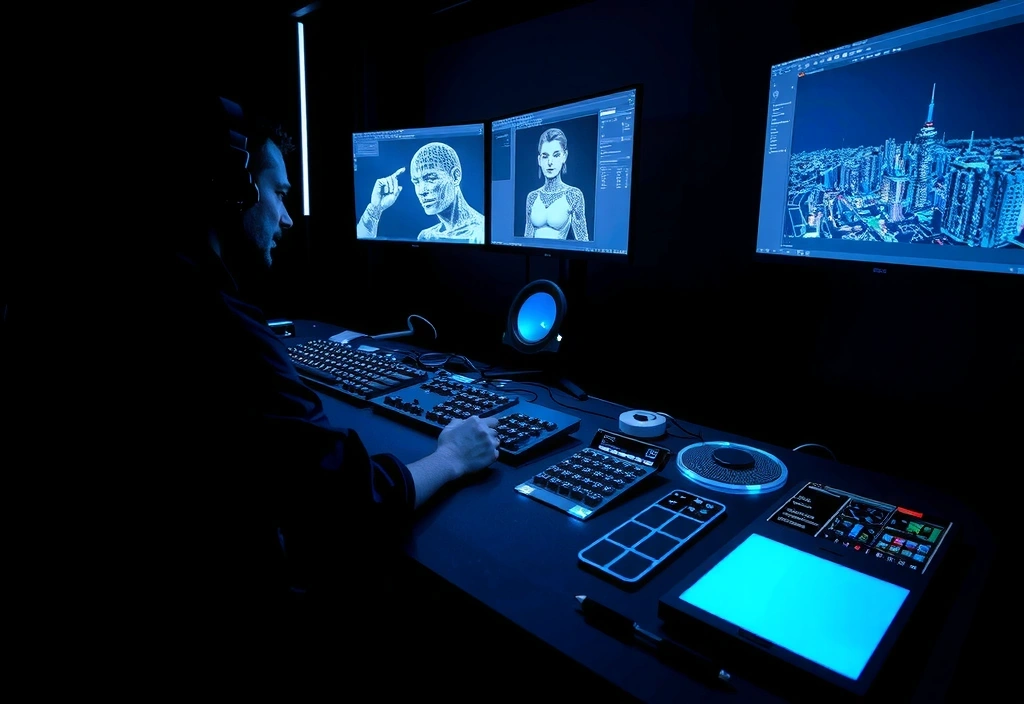
By deploying our Modular Animation Kits, the team bypassed the traditional "keyframe-and-tweak" loop. They integrated our pre-optimized skeleton rigs—which are natively compliant with Metal and Vulkan APIs—directly into their Unity pipeline.
The Outcome
"Within 72 hours, the first movement prototypes were live. Within 14 days, the entire interaction suite was finalized. We didn't just save time; we hit the 120Hz stability target we thought was impossible."
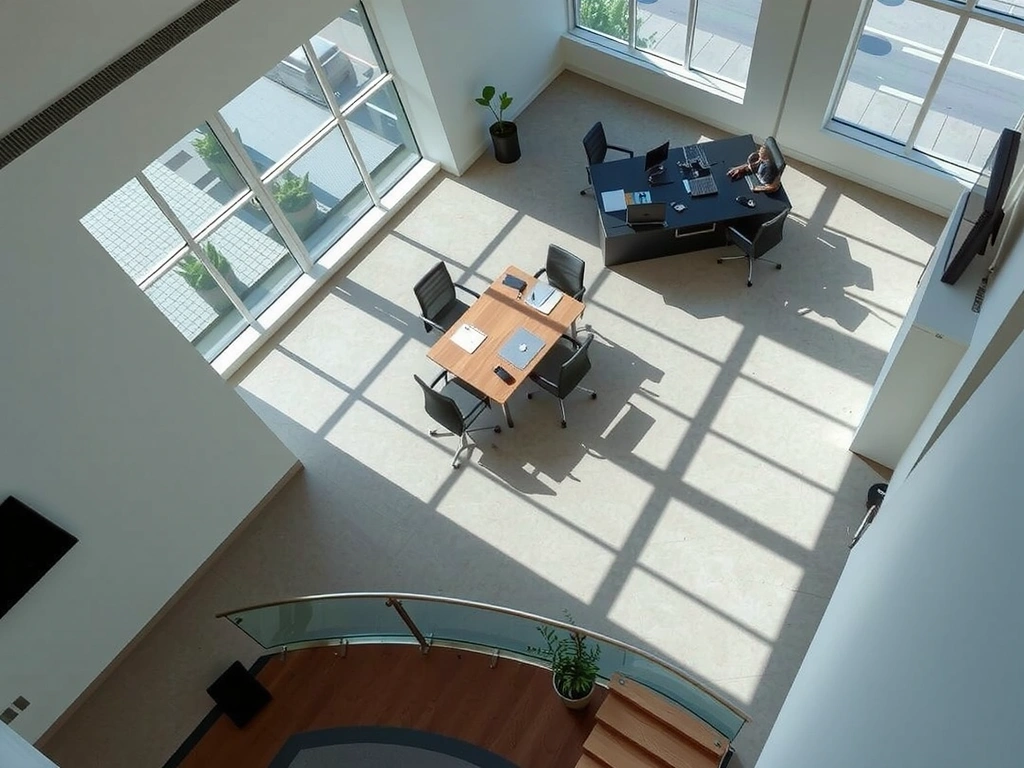

How we evaluate robustness.
The Asset Audit
Our engineering team performs a deep audit of every asset's topology. If an animation curve causes unnecessary GPU cycles, it's flagged. We provide our partners with a detailed breakdown of asset decompression efficiency, ensuring that every project is "Motionfield-certified."
Device Compatibility Matrix
We don't guess at performance. We test assets across a real-world matrix—from flagship devices in London to mid-range hardware common in the Italian market. This ensures that a partner’s app performs reliably across diverse localized ecosystems.
Terminology Index
Thermal Limit
The peak temperature before a device lowers clock speeds to prevent hardware damage.
Wait Latency
The delay between an engine command and the visible start of a motion sequence.
Asset Hydration
The speed at which compressed assets are ready for manipulation in the rendering pipeline.
Pixel Budget
The total allocated compute time for post-processing shaders on a per-frame basis.
Common Integration Pitfalls
Why most submissions fail our initial diagnostic
Relying on high-poly assets for detail that could be handled via optimized normal mapping. This creates immediate load-time drop-offs.
Failing to include logic-caps on environmental destruction, leading to massive frame-rate variance during peak gameplay sessions.
Hard-coding rendering pathways that don't gracefully fallback on legacy API requirements for mid-range Android hardware.
Apply for
Inclusion.
Our partner slots are allocated based on project scope and technical feasibility. We currently accept applications from indie studios and solo developers focusing on 2D platformers and top-down RPGs.
HQ Office
Via Roma 123, 00100 Roma, Italy
Developer Inquiries
info@motionfield.space